Preserve social contact
Provide suitable compatible companions and avoid unnecessary isolation. Plan gradual, low-stress separations.

Every animal belongs
You don’t need a pedigree to build a thoughtful support routine. Start with your animal’s needs, history and signals.
Science-informed wellness support. Not a substitute for veterinary care.
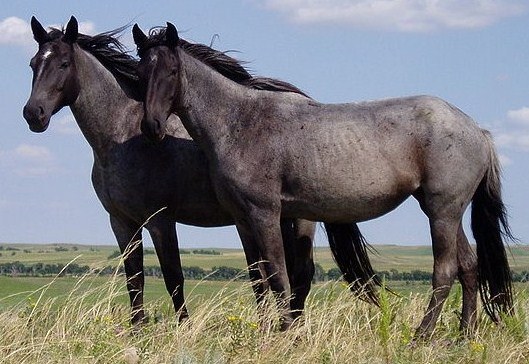
Start with the individual
Horses, ponies, donkeys and mules need a sense of safety, social contact and opportunities to move and forage. Management and past handling experiences often matter more than breed.
Separation from companions, transport or unfamiliar stalls.
Restricted movement, long gaps without forage or abrupt routine changes.
Pain, startling obstacles, slippery footing or rushed handling.
The everyday foundations
Provide suitable compatible companions and avoid unnecessary isolation. Plan gradual, low-stress separations.
Arrange turnout and appropriate forage with professional advice, taking metabolic health and grazing risks into account.
Use clear cues, reward calm participation and give time to investigate. Optional gentle wither scratching is appropriate only if welcomed.
Tense posture, repeated calling, pacing, avoidance, sweating or repetitive stable behavior can indicate distress. Pain may look like reluctance or irritability.
Colic signs, sudden lameness, breathing difficulty or marked behavior changes need veterinary assessment. Do not work through pain.
A gentle layer of support
Alongside appropriate care, try brief, low-volume sessions while you’re present. Your animal should always be able to move away. Stop if sound or interaction increases distress.
Audio enrichment evidence is limited for this species. Use sound cautiously as optional background, not a proven anxiety treatment.
ExploreDogs and cats can recognize familiar voices. That does not establish that an AI-copied voice treats anxiety; watch your own animal’s response.
ExploreQuiet presence and welcomed touch can support positive interaction. Touch studies are strongest in dogs and horses; massage and joint meditation are not established treatments for every species.
ExploreEvidence, not promises
Most recommendations here come from species-level welfare guidance. Breed traits help adapt care, but we have not identified evidence that Hushimal, specific frequencies or AI-copied narration clinically treat anxiety in every animal. Familiar-voice and touch research can inform a gentle routine without proving a therapeutic effect.
Species-level guidance
Guidance covers companionship, movement, feeding and protection from distress.
Read sourceHorse touch study
A small study compared responses to types of touch; not every equine welcomes touch.
Read sourceSend this guide, or download its image for a social post. For licensed photos, include the author, license and source shown above.