Provide a secure flock home
Use predator-resistant housing, quiet shelter and sufficient feeding and drinking access.

Every animal belongs
You don’t need a pedigree to build a thoughtful support routine. Start with your animal’s needs, history and signals.
Science-informed wellness support. Not a substitute for veterinary care.
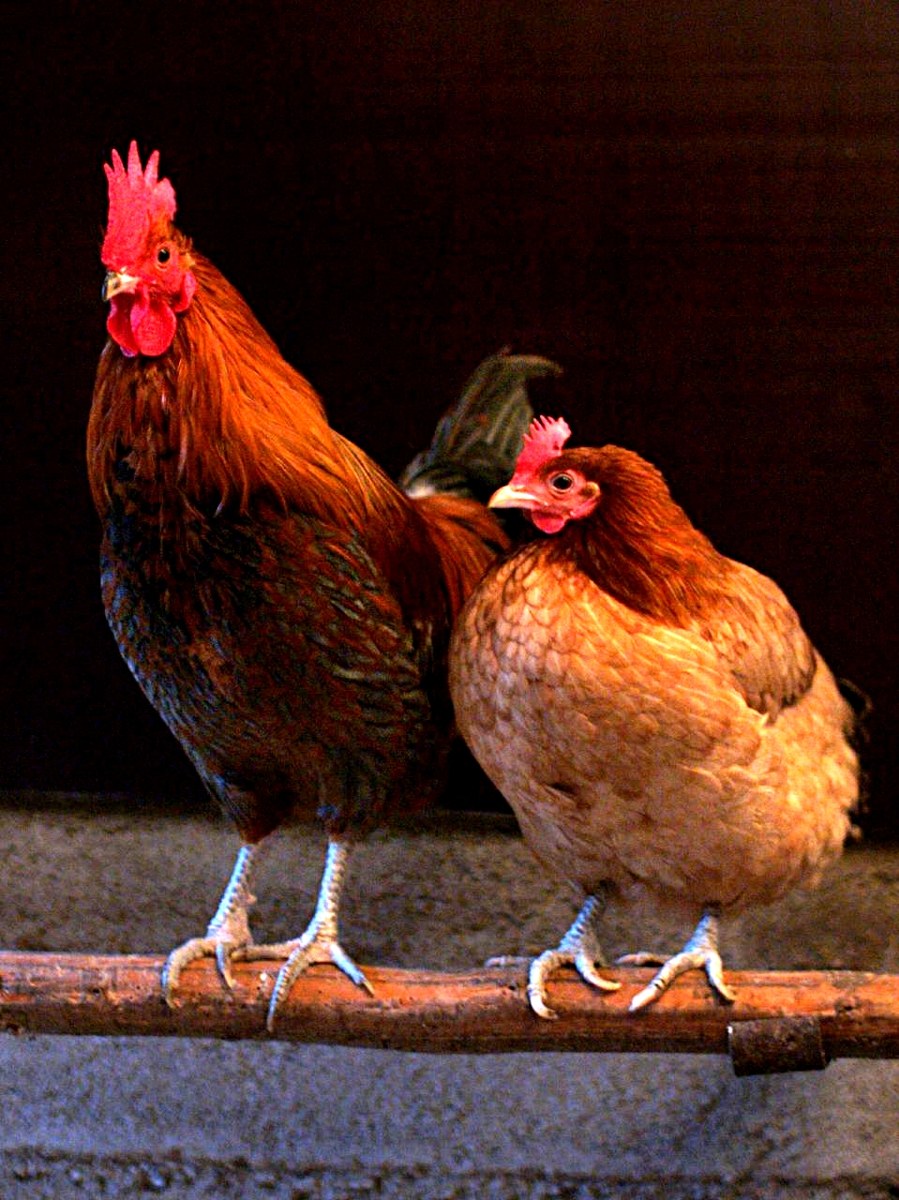
Start with the individual
Flock safety, space and opportunities to forage are central to chicken welfare. Breed size, feathering and production type can affect housing needs, but do not establish a breed-specific audio treatment.
Predators, abrupt noise or unstable flock introductions.
Crowding, competition or bullying around food and perches.
Lack of suitable litter, dust-bathing areas or shelter.
The everyday foundations
Use predator-resistant housing, quiet shelter and sufficient feeding and drinking access.
Provide dry friable litter, suitable perches and opportunities to scratch, peck and dust-bathe.
Introduce birds carefully and ensure smaller or vulnerable birds can reach resources without being bullied.
Repeated alarm calls, fleeing, feather damage, withdrawal or reduced feeding may signal a welfare problem. Egg changes alone are not a measure of anxiety.
Breathing trouble, injury, inability to stand or marked lethargy require poultry veterinary advice; isolate illness safely while avoiding unnecessary social stress.
A gentle layer of support
Alongside appropriate care, try brief, low-volume sessions while you’re present. Your animal should always be able to move away. Stop if sound or interaction increases distress.
Audio enrichment evidence is limited for this species. Use sound cautiously as optional background, not a proven anxiety treatment.
ExploreDogs and cats can recognize familiar voices. That does not establish that an AI-copied voice treats anxiety; watch your own animal’s response.
ExploreQuiet presence and welcomed touch can support positive interaction. Touch studies are strongest in dogs and horses; massage and joint meditation are not established treatments for every species.
ExploreEvidence, not promises
Most recommendations here come from species-level welfare guidance. Breed traits help adapt care, but we have not identified evidence that Hushimal, specific frequencies or AI-copied narration clinically treat anxiety in every animal. Familiar-voice and touch research can inform a gentle routine without proving a therapeutic effect.
Chicken welfare guidance
Resource access, litter, health and behavioral needs are important.
Read sourceSend this guide, or download its image for a social post. For licensed photos, include the author, license and source shown above.