Coat care without conflict
Tangles and rushed grooming can make touch uncomfortable.
Use short, reward-paired grooming sessions and ask for professional help with mats. Stop rather than pulling or restraining.
Feline environmental needs guidance
Know your animal
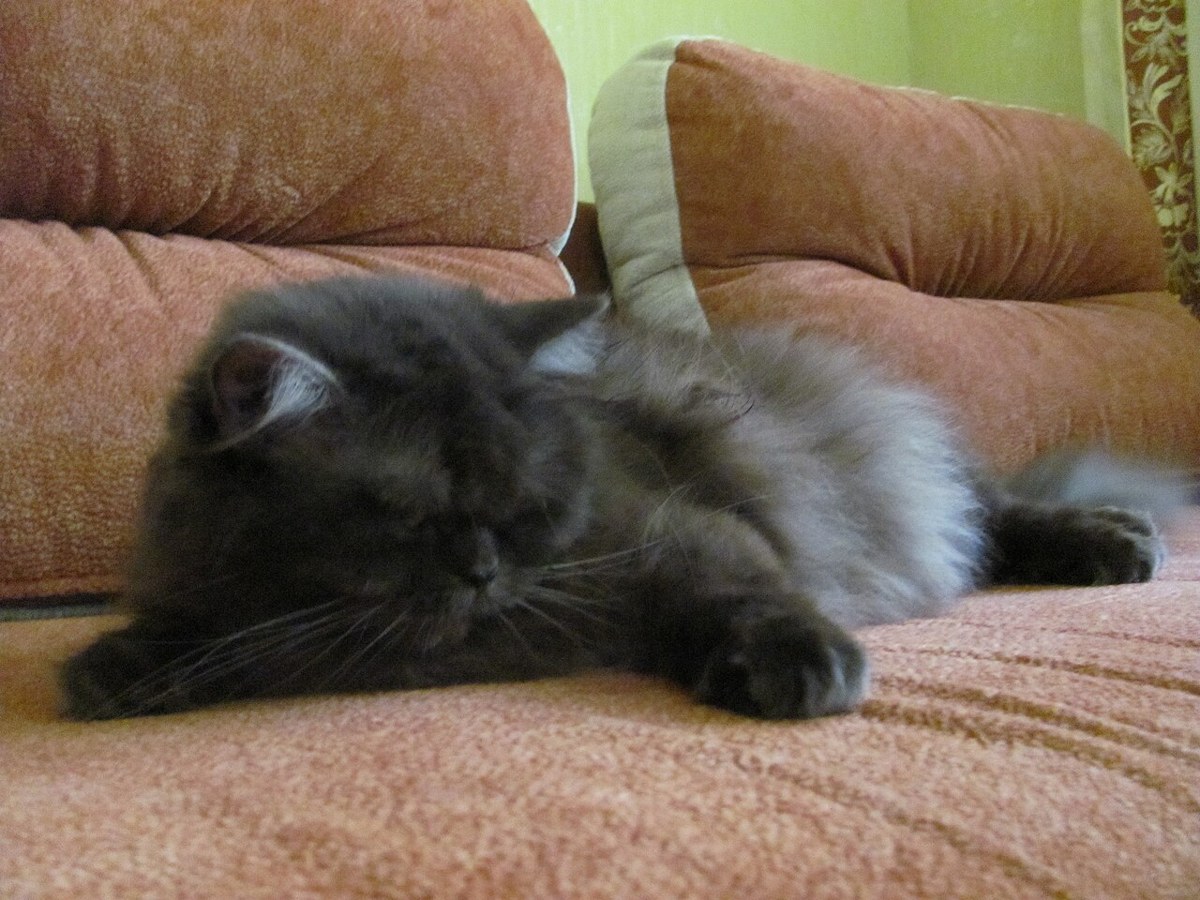
A thoughtful guide to stressful moments for British Longhair cats — and the everyday care that can help.
Science-informed wellness support. Not a substitute for veterinary care.
Start with the individual
For cats, control over space and interactions is often more useful than extra attention. Predictability, escape routes and access to essential resources help make home feel safer.
New animals, visitors, travel or abrupt household changes.
Competition for litter trays, food, water or resting spots.
Forced handling, loud sound or lack of hiding and climbing space.
Breed & care context
These are husbandry and breed-group considerations, not proof of a breed-specific anxiety treatment. Not every individual shares them.
Tangles and rushed grooming can make touch uncomfortable.
Use short, reward-paired grooming sessions and ask for professional help with mats. Stop rather than pulling or restraining.
Feline environmental needs guidanceA cat that enjoys climbing or active play may become frustrated in an environment without outlets. A quieter individual may find extra stimulation overwhelming.
Offer climbing, hunting-style play and food puzzles, then watch this cat’s preferences. Keep a quiet retreat available and never force contact.
Feline environmental needs guidelinesThe everyday foundations
Provide a sheltered resting place and accessible elevated perches. Keep a clear escape route during interaction.
Spread litter trays, food, water, scratchers and beds across quiet locations, especially in multi-cat households.
Use short play sessions and predictable meals. Offer a hand, wait for approach and stop when your cat turns away or becomes tense.
Hiding more than usual, freezing, flattened ears, overgrooming, appetite changes or toileting outside the tray deserve attention.
Not eating, difficulty breathing or straining to urinate require prompt veterinary advice; inability to pass urine is an emergency.
A gentle layer of support
Alongside appropriate care, try brief, low-volume sessions while you’re present. Your animal should always be able to move away. Stop if sound or interaction increases distress.
Music research in dogs and cats suggests benefits in some settings. Hushimal itself and its specific frequencies have not been clinically validated for this breed.
ExploreDogs and cats can recognize familiar voices. That does not establish that an AI-copied voice treats anxiety; watch your own animal’s response.
ExploreQuiet presence and welcomed touch can support positive interaction. Touch studies are strongest in dogs and horses; massage and joint meditation are not established treatments for every species.
ExploreEvidence, not promises
Most recommendations here come from species-level welfare guidance. Breed traits help adapt care, but we have not identified evidence that Hushimal, specific frequencies or AI-copied narration clinically treat anxiety in British Longhair. Familiar-voice and touch research can inform a gentle routine without proving a therapeutic effect.
Species-level guidance
Five environmental pillars include safe places, resources, play, predictable interaction and respecting scent.
Read sourceCat clinical-setting study
Cat-specific music reduced behavioral stress scores during examinations in this study; this did not test Hushimal.
Read sourceSend this guide, or download its image for a social post. For licensed photos, include the author, license and source shown above.