
Species & bird-group guide

MacawA little more understanding.
A little less stress.

A thoughtful guide to stressful moments for Macaw birds — and the everyday care that can help.

Science-informed wellness support. Not a substitute for veterinary care.

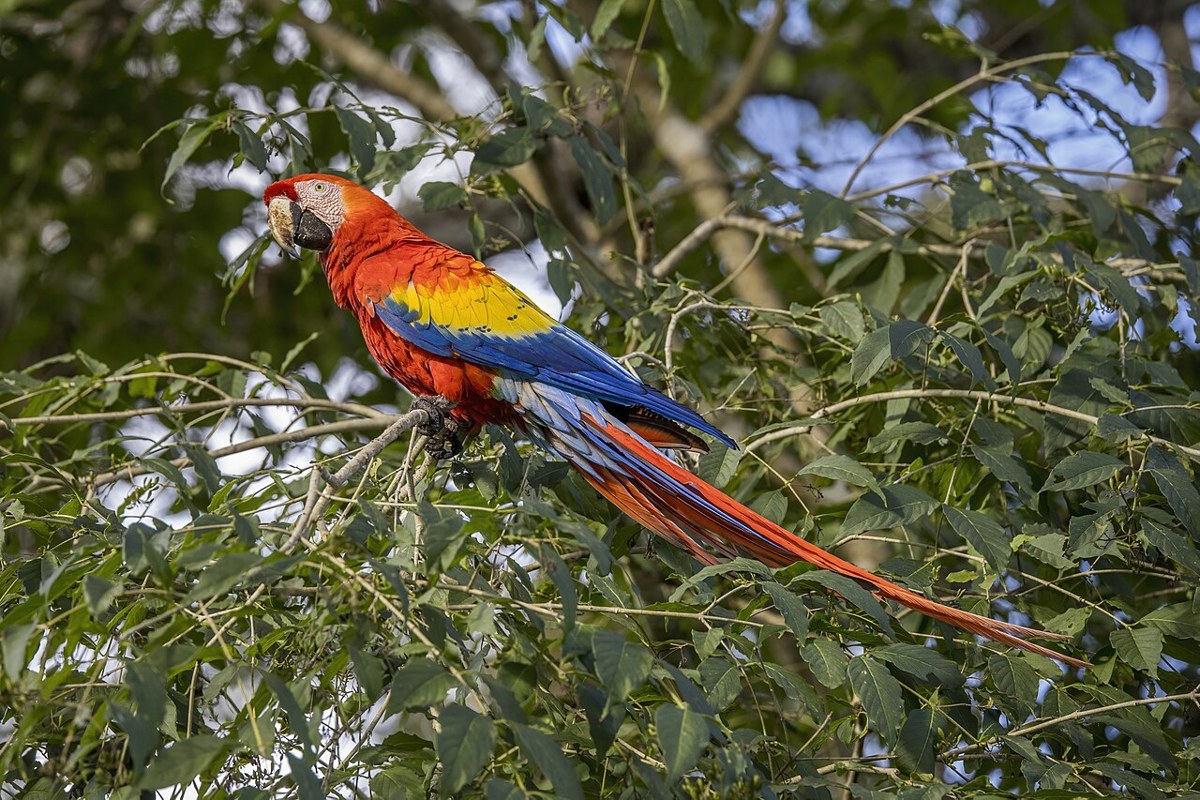
Scarlet macaw (Ara macao cyanopterus) Copan · representative of the Macaw group
Scarlet macaw (Ara macao cyanopterus) Copan · representative of the Macaw group · Photo: Charles J. Sharp · CC BY-SA 4.0 · Original & attribution · Resized for display.

Start with the individual

What can feel stressful?

These entries include species and groups of birds, not just breeds. Social needs, flight, foraging and sleep vary considerably, so advice should be adapted with an avian veterinarian.

  • 01

    Loss of familiar social contact or abrupt routine changes.

  • 02

    Barren environments with little chance to forage or move.

  • 03

    Predator exposure, startling sound and disrupted sleep.

Breed & care context

A closer look at Macaw

These are husbandry and breed-group considerations, not proof of a breed-specific anxiety treatment. Not every individual shares them.

Foraging and predictable interaction

Limited movement, inappropriate companionship or little opportunity to forage can compromise welfare. Needs differ within broad groups such as macaws and conures.

Identify the exact species with an avian vet. Offer species-appropriate flight or movement, compatible social contact and safe enrichment without forcing handling.

MSD: management of pet birds

The everyday foundations

Small changes. More comfortable moments.

01

Protect rest and routine

Keep daily schedules predictable and provide a quiet, species-appropriate sleep period. Avoid sudden audio starts and flashing screens nearby.

02

Offer safe enrichment

Provide suitable foraging tasks, safe perches and room for movement or flight appropriate to the species.

03

Let interaction be voluntary

Reward comfortable approach rather than forcing handling. Suitable social housing depends on species, compatibility and space.

Listen to the signals

Persistent alarm calls, escape attempts, unusual withdrawal, repetitive movement or feather damage warrant assessment. Changes in vocalization alone are not a diagnosis.

When to call your vet

Open-mouth breathing, weakness, a fluffed and inactive bird or reduced eating need prompt avian veterinary care. Avoid aerosols and fumes.

A gentle layer of support

Bring Hushimal into your routine

Alongside appropriate care, try brief, low-volume sessions while you’re present. Your animal should always be able to move away. Stop if sound or interaction increases distress.

Therapeutic sounds

Audio enrichment evidence is limited for this species. Use sound cautiously as optional background, not a proven anxiety treatment.

Explore

Stories in your voice

Dogs and cats can recognize familiar voices. That does not establish that an AI-copied voice treats anxiety; watch your own animal’s response.

Explore

Shared bonding activities

Quiet presence and welcomed touch can support positive interaction. Touch studies are strongest in dogs and horses; massage and joint meditation are not established treatments for every species.

Explore
Subscribe to Hushimal

Evidence, not promises

Read the research & guidance

Our science page

Most recommendations here come from species-level welfare guidance. Breed traits help adapt care, but we have not identified evidence that Hushimal, specific frequencies or AI-copied narration clinically treat anxiety in Macaw. Familiar-voice and touch research can inform a gentle routine without proving a therapeutic effect.

Species-level guidance

MSD Veterinary Manual: management of pet birds

Reviews species-appropriate environment, nutrition, social needs and care.

Read source

Know someone who loves birds?

Send this guide, or download its image for a social post. For licensed photos, include the author, license and source shown above.

More bird guides